

What Is Slow Fashion? (And Why It Matters)
Slow fashion isn't just another trend; it's a complete shift in how we think about our clothes. While fast fashion churns out cheap, disposable pieces designed to last a season, slow fashion celebrates quality, craftsmanship, and clothes that tell a story. Every Ivory Sheep dress embodies this philosophy, created with intention and built to become a cherished part of your wardrobe for years to come.
Here's a sobering fact: according to the Fashion Transparency Index, only 10% of major fashion brands share honest information about their sustainability practices. When you choose slow fashion, you're voting with your wallet for a more transparent, ethical industry.
The Real Cost of Fast Fashion (Hint: It's Not Just Money)
Fast fashion might seem like a bargain, but the true cost goes far beyond the price tag. Over 60% of clothing is discarded within the first year; that's millions of garments sent to landfills each year. The environmental toll includes massive water waste, chemical pollution, and carbon emissions that contribute to climate change.
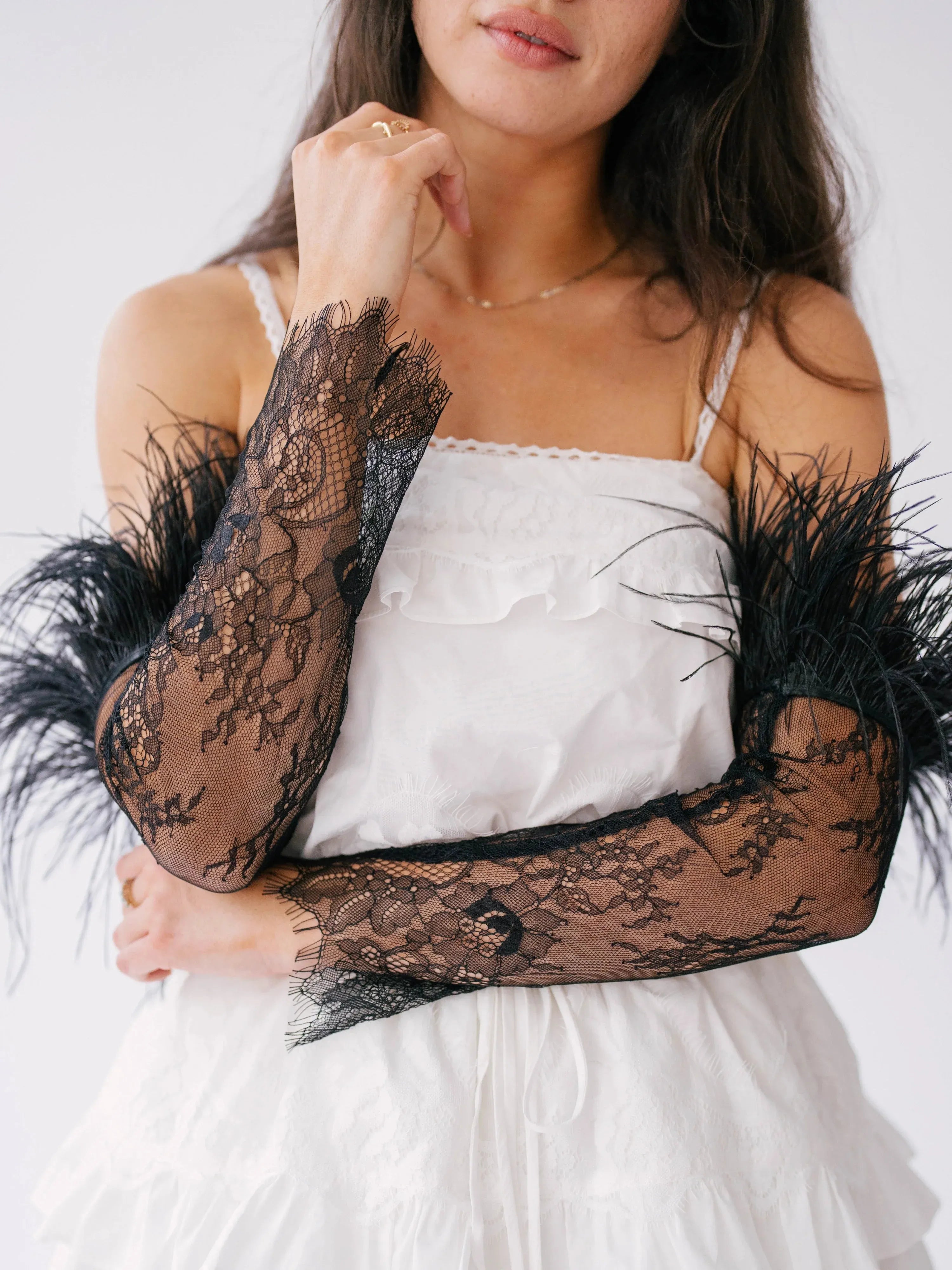
Slow fashion flips this script entirely. Instead of buying ten cheap tops that fall apart, imagine investing in one beautifully crafted piece like The Guinevere Snow White Corset Top. With its structured design and enchanting lace details, it's a timeless piece you'll reach for again and again, styling it dozens of different ways.


How We Make an Ivory Sheep Dress (Spoiler: It Takes Time)
Behind every Ivory Sheep dress, skirt, or corset is a very unglamorous truth: it takes time. Patterns are tested, adjusted, and tested again. We review fit across sizes, tweak the details, and only then commit to a small run or a pre-order. That means:
-
We are not mass-producing thousands of units at once.
-
We prioritize smaller batches and pre-orders so we can make closer to what is actually needed.
-
We would rather sell out and restock than over-produce and send unworn stock into clearance bins or worse, the trash.
It is also why our pieces cost more than fast fashion. You are paying for time, fit testing, careful construction, and a garment designed to hold its shape and be worn repeatedly, not just for a single event.
Take The Rhiannon Corset Dress. It's not for a “wear it once and forget it” moment. It's meant to be there with you for all of life's moments, big and small. It's for your engagement photos, birthday celebrations, anniversaries, and even your random Tuesday errands.

The Fabrics We Choose (And Why They Matter)
We want to be transparent here: Ivory Sheep uses a mix of natural and synthetic fabrics. Some pieces are made with cottons and other fibers that feel soft, breathable, and familiar. Others like our dramatic tulles, organza ruffles, and sculpted skirts rely on materials such as polyester, taffeta, and other synthetics.
There is a reason for that. Certain silhouettes simply are not possible without structured, synthetic fabrics. For example, the volume in the Dahlia Skirt, the crisp ruffles that keep their shape, and the architectural layers; these details need fabric that can hold a lot of drama without collapsing.
Right now, our priority is:
-
Using fabrics that can support the intricate shapes we love.
-
Making sure those pieces are built to last, not fall apart after a few wears.
-
Producing in small quantities so we are not over-making styles that no one asked for, and being wasteful.
As we grow, we are actively looking for more options: higher-quality natural fibers where they make sense, better blends, and more responsibly sourced materials that still allow us to keep the structure and fantasy you expect from Ivory Sheep. Our goal is progress, not pretending we are already perfect.

Designing for Longevity (Not Just This Season)
Our design meetings never start with “What is trending right now?” They start with questions like:
-
Will someone still love this five years from now?
-
What's the vibe?
-
How can we make it over the top?
-
Is it unique? Does this piece already exist?
We lean into silhouettes that can outlive trends: corseted bodices, full skirts, dramatic sleeves, and shapes that flatter a range of sizes and heights.
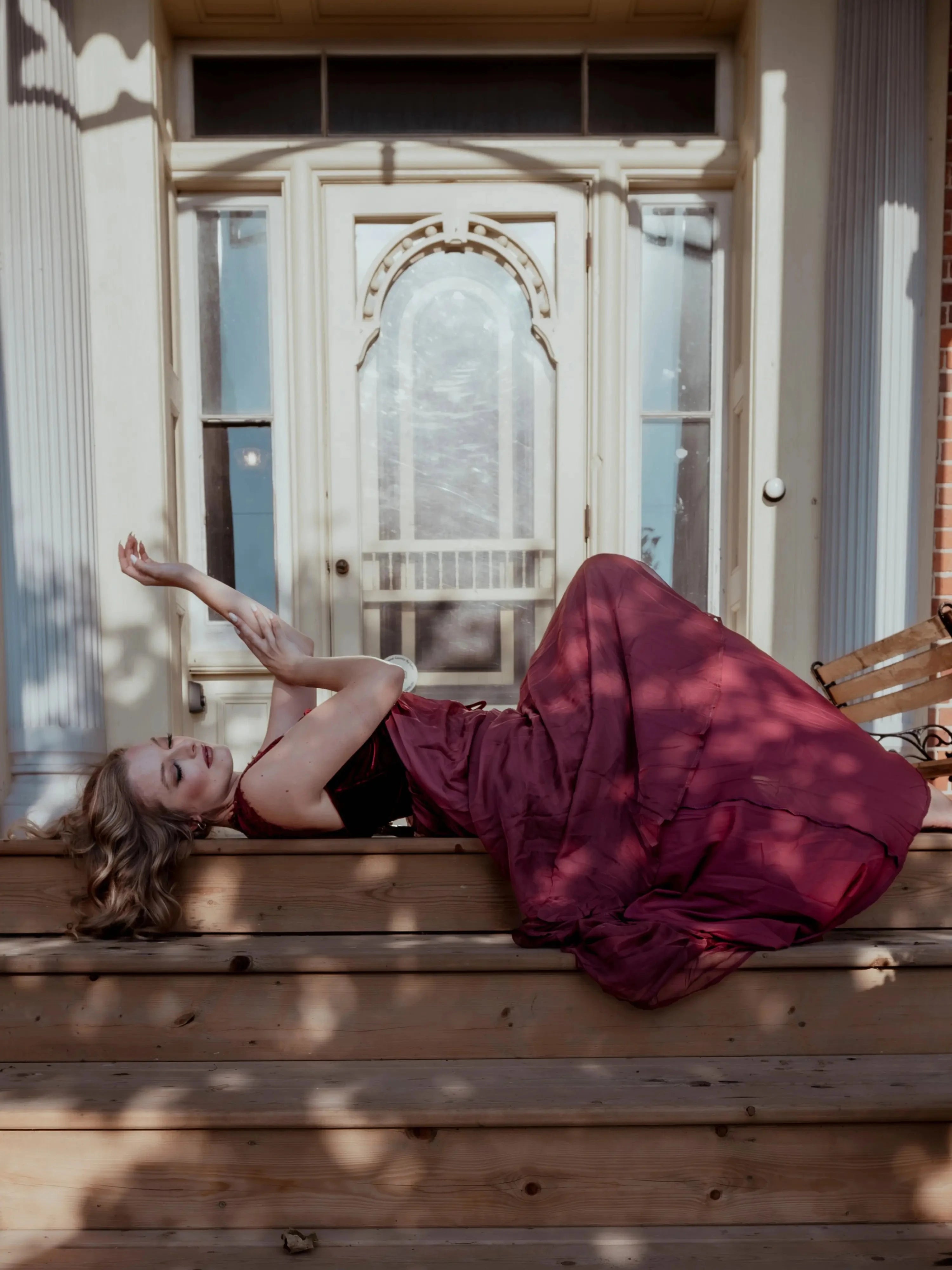
The Lovers Gown is the perfect example. It feels special enough for a photoshoot or party, but it is also something you can restyle again and again with boots, knitwear, or a dramatic coat. It is meant to grow with you, not be tied to a single event.

Shop The Scarlet Red Scorned Lovers Gown
Our Eco-Friendly Production Practices
Slow fashion, for us, is less about buzzwords and more about choices.
Here is what that looks like behind the scenes:
-
Small batches and pre-orders
We don't want racks on racks of clothing no one will ever wear. Producing in smaller quantities and leaning into pre-order models helps us match supply more closely to real demand, which drastically reduces waste and material consumption.
-
Designing to be last and be re-worn
We obsess over fit, adjust patterns across our size range (XXXS-7X), and build pieces that can be styled multiple ways, so they earn their place in your wardrobe and hopefully one day even become heirlooms!
You will still see Ivory Sheep experimenting, changing, and improving. We are constantly learning how to make beautiful, dramatic women's clothing while being more mindful about what we create and how much of it we bring into the world.
Building a Slow Fashion Wardrobe
Transitioning to slow fashion doesn't mean throwing out your entire closet overnight. Start by investing in versatile, high-quality pieces that work with what you already own.
A few ways to start:
-
Choose one special piece you truly love instead of three that feel “fine.”
-
Look for items you can style multiple ways rather than single-use outfits.
-
Pay attention to how things feel on your body and how they hold up after several wears and washes.
A slow fashion wardrobe is curated and narrowed down to fewer pieces that have more meaning. For example, twenty beautiful, well-loved items that feel like you, instead of fifty that never leave the hanger.
Why Slow Fashion Is the Future
The fashion industry is at a crossroads. Consumers are waking up to the environmental and ethical costs of fast fashion, demanding better from brands. Slow fashion represents the future; it's a more sustainable, transparent, and human-centered approach to clothing.
When you choose pieces like The Rosewater Rhiannon Corset Mini Dress or The Lovers Gown, you're not just buying a dress. You're supporting fair wages, sustainable practices, and a vision of fashion that values people and the planet over obnoxious profit margins.
Frequently Asked Questions About Slow Fashion
What exactly is slow fashion?
Slow fashion is an approach to clothing that prioritizes:
-
Quality
-
Sustainability
-
Ethical production over speed, over consumption, and low cost.
It's about creating garments that last, supporting fair labor practices, and reducing environmental impact.
Is slow fashion more expensive?
Slow fashion pieces typically have higher upfront costs because:
-
They're made with better materials.
-
Not overproduced in wholesale.
-
Ethical labor and sustainable practices.
However, they last significantly longer than fast fashion items, making them more cost-effective over time when you calculate the cost per wear.
How do I start building a slow fashion wardrobe?
Begin by investing in versatile pieces that reflect your personal style. Look for quality materials and ethical brands like Ivory Sheep. Gradually replace worn-out fast fashion items with sustainable alternatives.
Can slow fashion really make a difference?
Absolutely! Every purchase is a vote for the kind of industry and businesses you want to support. As more consumers choose slow fashion, brands are forced to adopt more sustainable and ethical practices. Collective action creates real and lasting change.


Comments