

Synthetic fabrics, specifically polyester, get a lot of hate online. People say it’s cheap, uncomfortable, and not worth a high price. And in many cases, they’re absolutely right! Fast fashion uses low-grade polyester all the time because it’s cheap to produce. Those clothes fall apart quickly, shed microplastics, and end up in landfills.
But here’s the part TikTok and Instagram often leave out: polyester isn’t automatically “bad.” In certain garments, especially in high-end, structured, or whimsical fashion, polyester and other synthetic fabrics are not only useful but necessary.
This post explains why, with real sources, and why a well-made polyester dress can still be worth the price.
Why Polyester Gets a Bad Reputation
A lot of the frustration with polyester comes from the fast fashion industry. It’s everywhere because it’s cheap to make. But cheap construction is the real problem, not the fiber alone.
Common complaints include:
- It can trap heat.
- Low-quality polyester feels rough.
- It’s used in ultra-cheap garments that aren’t built to last.
- It sheds microplastics during washing.
These issues are real. The Sustainability Directory explains that synthetics are widely used because they’re inexpensive, but they also shed microplastics and aren’t biodegradable.
So yes, polyester can be misused. But that doesn’t mean it has no place in good design.

When Polyester Is Actually the Best Choice
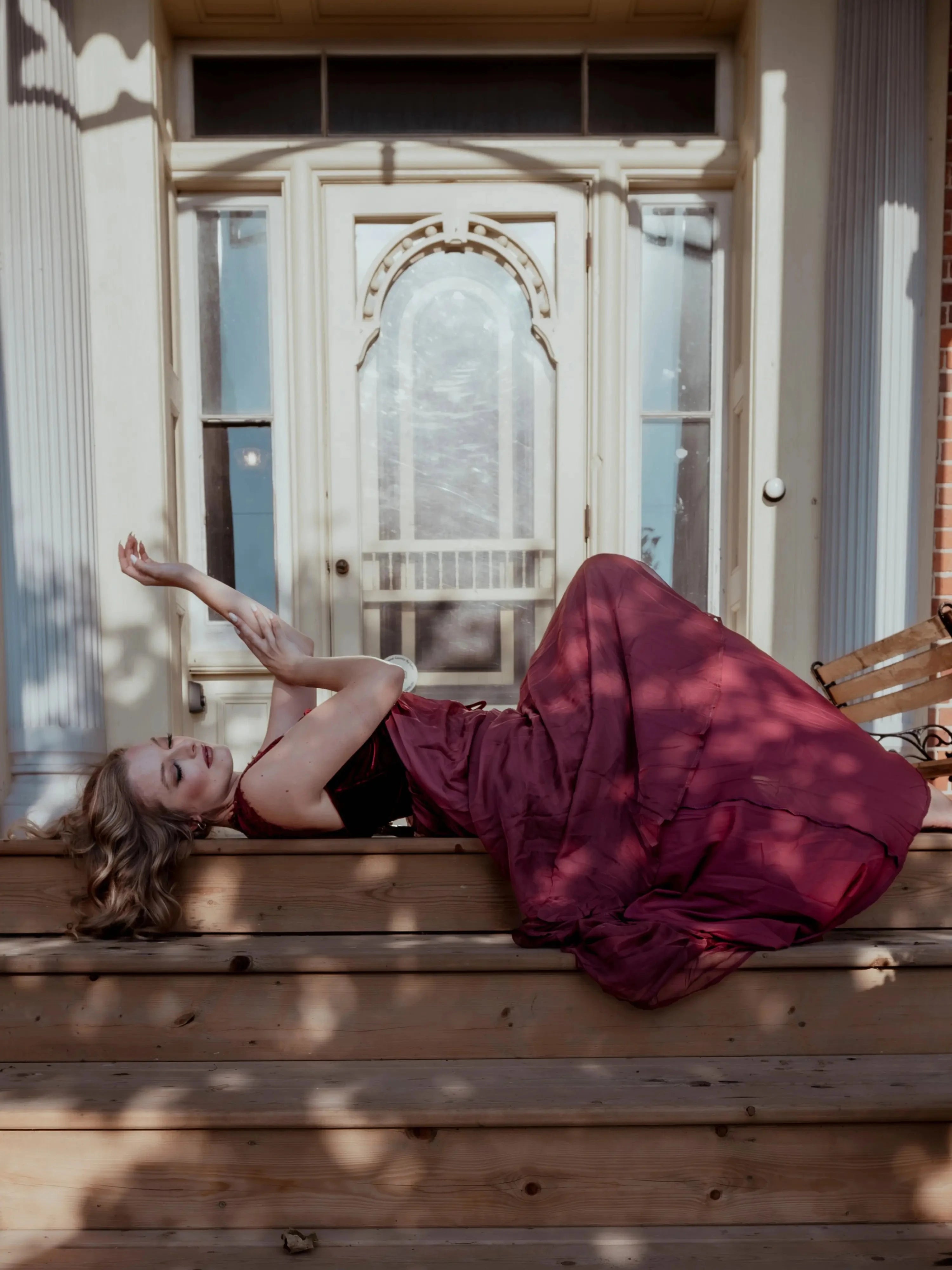
Ivory Sheep designs clothes that are often extremely intricate, and sometimes polyester is the only material that gives the shape, volume, or structure a garment needs. Take the twilight reverie ball gown (as seen above). Poly organza was the only fabric that could capture the gown's airiness and shape, while also holding the rich colors of the custom fresco print.
Natural fabrics are beautiful, but they have their limits. Cotton collapses. Linen wrinkles. Silk is delicate. Wool doesn’t hold dramatic shapes and can irritate skin. Polyester and similar synthetics solve real design problems for garments that want to go beyond just a basic design.
They hold shape better
Polyester is extremely versatile and can hold its structure, volume, and create dramatic silhouettes. This is why it’s often used in gowns, puff sleeves, statement dresses, and layered tulle.
They keep colors vibrant
Polyester fibers bond tightly to dye. This means bright prints, deep blacks, and unique custom patterns stay vibrant longer. This was critical for the Twilight Reverie Gown, and its fresco print.
They resist wrinkling and sagging
If you want a garment to look crisp even after hours of wear, polyester helps. Natural fibers sometimes lose shape under weight or humidity.
They make whimsical fashion possible
Fairytale silhouettes, structured bodices, fantasy layering, and large-scale draping all rely on fabrics that behave consistently. That often means synthetics.
In short: when a style requires engineering, polyester becomes a tool, not a shortcut.

The Dahlia Pink Ruffle Skirt >
What You’re Really Paying For (And It’s Not Just the Fabric)
A garment’s price is rarely about the fiber alone. It reflects:
- Pattern drafting.
- Material sourcing
- Hours of stitching.
- Structure and inner layers.
- Fabric weight and quality.
- Fit testing.
- Small-batch or handmade production.
- Creative labor and design complexity.
A simple T-shirt made of polyester and sold at a luxury price is definitely unfair! Because you can buy a cotton or wool t-shirt and it will look and be constructed exactly the same. But a structured gown, layered dress, or detailed design that uses polyester for technical reasons is a different story.
Take the Dahlia Pink Ruffle Skirt (as seen above), every ruffle is hand-crimped, hand-curled, and accented with lace to hold its dramatic shape and design. As much as we would have loved to use cotton, that skirt would have turned out very flat and lackluster. The cost comes from the skill, design, time, and construction, not just the fiber.
Using Polyester Thoughtfully (The Ivory Sheep Approach)
For us, polyester is never a default choice. It’s something we use when:
- An intricate design requires structure or volume.
- Natural fibers can’t hold their shape.
- Tulle or organza must behave a certain way.
- A print needs long-lasting color.
- The garment needs to survive regular wear.
We’re also transparent about our fabric choices because customers deserve to know why a material was chosen and how it supports the design.
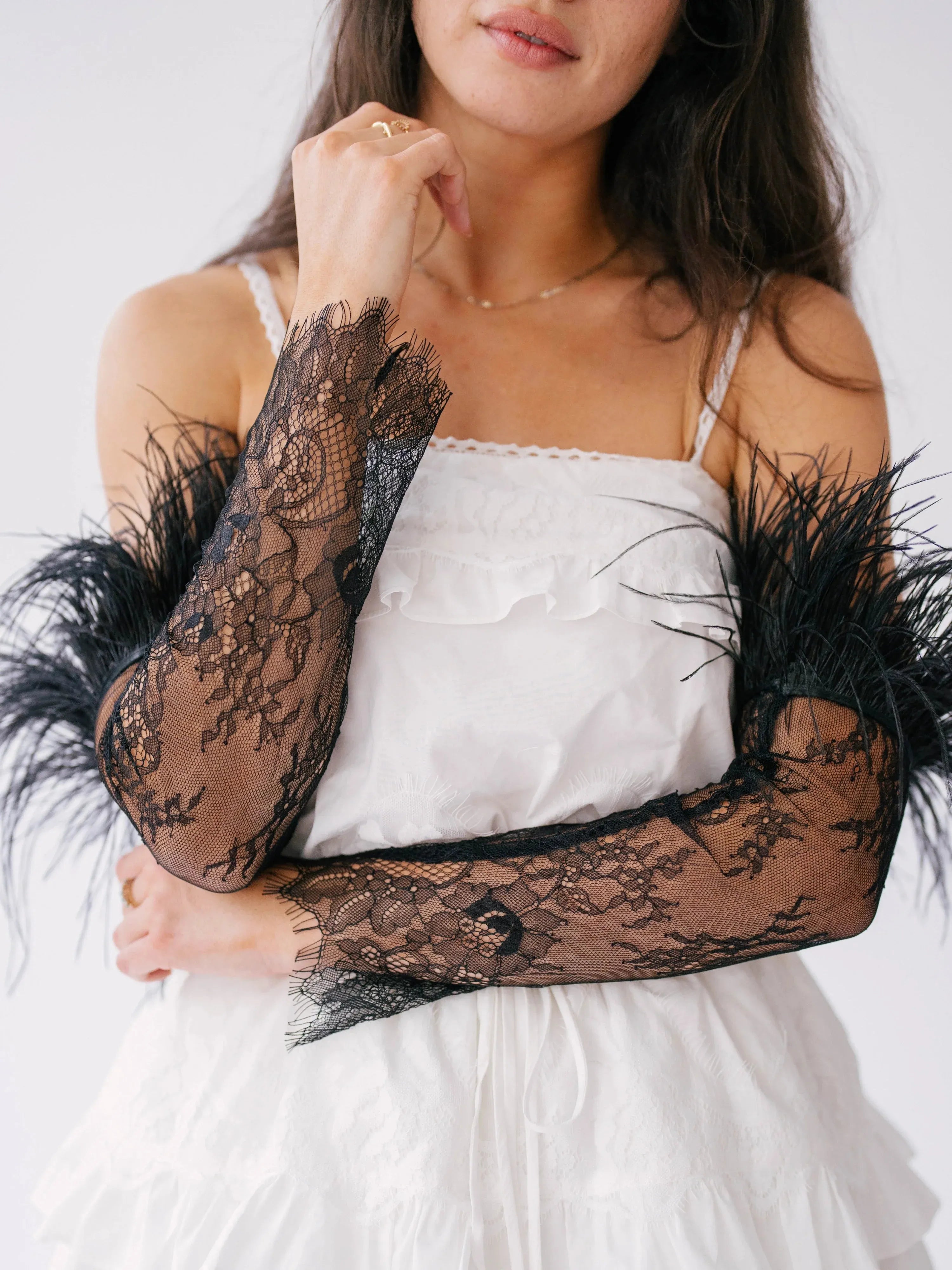
Take the Black Swan Grand Bow Sash (see below). This massive bow holds its shape all thanks to the organza and tulle it's made with. This design can't be achieved with other materials like cotton or wool.

The Black Swan Grand Bow Sash >
Before You Judge a Fabric Label, Look at the Design
A high-quality garment isn’t defined by one line on a tag. It’s defined by:
- How it fits.
- How it moves.
- How it’s constructed.
- How it holds its shape over time.
- How much care went into patterning and sewing.
- The brand behind the garment.
Synthetic fabrics that are used poorly in mass-produced, over-priced fashion is a real problem. But polyester used intentionally by brands is a great tool for beautiful, long-lasting fashion.
The truth is simple: materials matter, but craftsmanship and a brand's values matter more.
Sources and Additional Reading
Why synthetics are widely used and their environmental impact (Sustainability Directory):
Technical benefits of polyester for structure and durability (JieXiang Textile):
Polyester in fashion and why it's used for drape, shape, and performance (Fabric Material Guide):


Comments